Preparing for Group Interviews in a Virtual Setting
Preparing for Group Interviews in a Virtual Setting
As remote work proliferates, group interviews conducted in virtual environments are becoming increasingly common. A recent survey by FlexJobs revealed that 65% of professionals prefer remote work options, and organizations are adapting their hiring practices accordingly. However, group interviews can be particularly challenging, leaving candidates feeling overwhelmed if they're not adequately prepared. Here’s how to approach this uniquely demanding interview format with confidence and poise.
Understand the Dynamics of Group Interviews
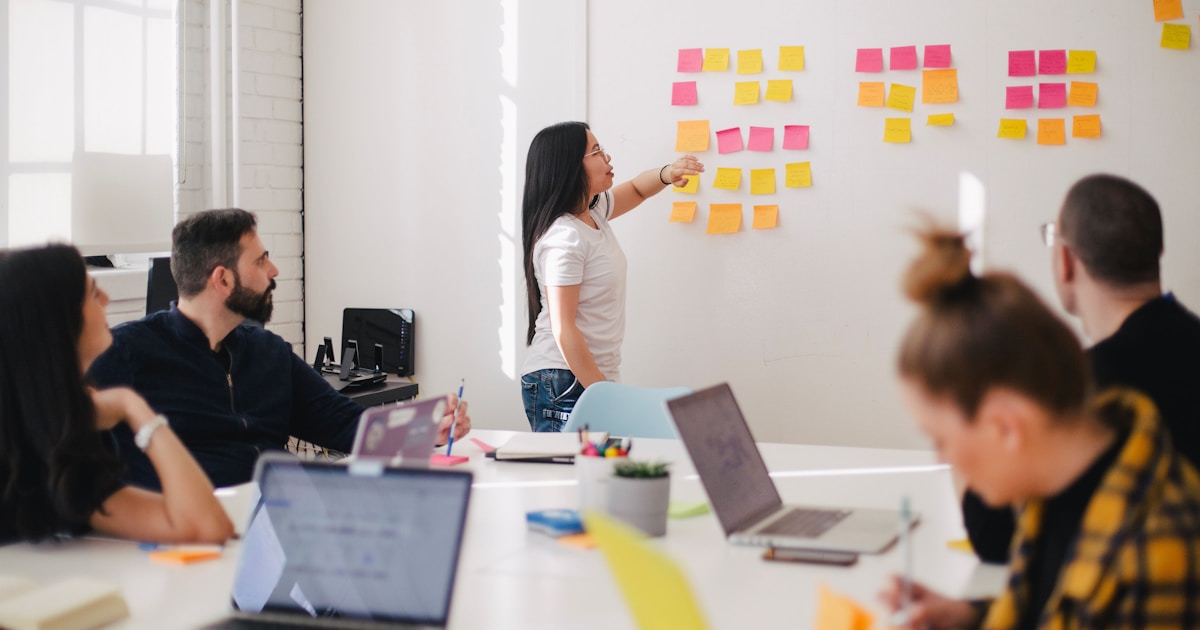
Group interviews typically involve multiple candidates interviewing simultaneously, along with a panel of interviewers. This format tests not only your qualifications but also your ability to collaborate, communicate, and stand out in a group setting. According to the Bureau of Labor Statistics (BLS), teamwork skills are among the top competencies employers seek, making your performance in these interviews critical.
To excel in a group interview, recognize that it’s not merely about showcasing your knowledge. You need to actively participate in discussions, respond thoughtfully to questions, and engage with fellow candidates. This means being a good listener and a constructive contributor.
Preparation: Research the Company and Role
Before the interview, it’s essential to conduct thorough research on the company. Understand its mission, culture, and any recent news or developments. Use platforms like Glassdoor and LinkedIn to gather insights about the company’s work environment and employee experiences.
- Identify Key Players: Know who will be on the interview panel. LinkedIn is a valuable resource for this, allowing you to familiarize yourself with their roles and backgrounds.
- Understand the Role: Be clear about the job requirements and how your skills align with them. Prepare examples from your experience that demonstrate these competencies.
Master the Virtual Tools
Familiarity with the technology used for virtual interviews can significantly enhance your performance. Platforms like Zoom and Microsoft Teams are commonly used, and understanding their functionalities is crucial. Here are some tools and tips for mastering virtual interviews:
- Zoom: Use features like breakout rooms to practice discussions with others. The "mute" function is your friend—know when to use it to minimize distractions.
- Microsoft Teams: Leverage its chat feature to engage with your group subtly. Don’t hesitate to ask clarifying questions through the chat when appropriate.
However, beware of potential pitfalls, such as technical glitches or connectivity issues. Test your equipment in advance, and have a backup plan (like a mobile hotspot) ready to go in case of emergencies. A Buffer survey found that 47% of remote workers experience tech-related issues, so being prepared can set you apart.
Practice Group Dynamics
Simulating a group interview scenario with friends or mentors can provide valuable insights. Create a mock interview environment where you take turns answering questions and responding to one another. This helps you practice:
- Articulating Your Thoughts: Develop concise, impactful responses that highlight your skills without dominating the conversation.
- Engaging with Others: Learn to read the room and respond to others' comments, demonstrating your ability to collaborate.
Moreover, consider using platforms like Interviewing.io for practice sessions that mimic real-life interview conditions, allowing you to refine your approach in a safe environment.
Showcase Your Soft Skills
During a group interview, your soft skills are as crucial as your technical abilities. Employers are not only looking for qualifications; they want to see how you interact with others. Here are key soft skills to demonstrate:
- Active Listening: Show that you value others' input. Nod, make eye contact, and respond to what others say before sharing your thoughts.
- Empathy and Support: Encourage fellow candidates and acknowledge their contributions. This creates a positive atmosphere and can reflect well on you.
Addressing the Elephant in the Room: Competition
It's natural to feel competitive in a group interview setting. Many candidates approach it with a ‘me versus them’ mentality, which can lead to stress and anxiety. However, consider adopting a mindset of collaboration instead. This counter-intuitive approach can differentiate you. Instead of trying to outshine others, focus on how you can elevate the conversation and contribute to group success.
“In a group interview, the goal isn’t just to stand out; it’s to create an atmosphere where everyone shines.”
HireSnipe Analysis
Group interviews in a virtual setting are evolving. As companies prioritize diversity and collaboration, we expect to see a rise in group interviews designed to assess cultural fit rather than just technical skills. Candidates should prepare for scenarios that involve problem-solving in teams as companies look for those who can adapt and thrive in remote environments.
Additionally, as remote work becomes more normalized, organizations are likely to implement more innovative group interview formats, such as gamified assessments or interactive problem-solving sessions conducted over virtual platforms. This shift underscores the importance of adaptability and creativity in your responses.
What We're Seeing
Recent trends in remote job postings indicate an uptick in companies emphasizing collaborative skills in their job descriptions. Positions in tech, marketing, and customer service are increasingly mentioning the need for candidates who can work well in team settings. We are also observing that organizations are more frequently incorporating virtual group interviews as a part of their hiring processes, with an increase of 30% in listings that specify group interview formats.
A Real-World Scenario
Consider the case of Sarah, a marketing professional who faced a group interview for a remote position at a mid-sized digital marketing firm. The interview included four other candidates and a panel of three interviewers. Sarah had prepared extensively, researching the company and practicing her responses in a mock group setting.
During the interview, she took the initiative to engage with her fellow candidates, acknowledging their points and building on their ideas. When asked a question about a marketing campaign, instead of simply presenting her ideas, she invited others to share their thoughts, fostering a collaborative discussion.
As a result, Sarah not only demonstrated her marketing expertise but also her ability to lead and collaborate, landing her the job. This case illustrates that in a group interview, your interpersonal skills can be just as crucial as your technical knowledge.
By understanding the dynamics of group interviews, mastering the virtual tools, and showcasing your soft skills, you can approach this challenging format with confidence. Embrace the opportunity to collaborate, and you may find it’s not just about standing out—it’s about standing together.